
In a nutshell
- Three days are enough to see Singapore well thanks to its compact layout, efficient MRT network, and the close proximity of major attractions such as Marina Bay, Chinatown, Kampong Glam, and the Botanic Gardens.
- Day 1 works best around Marina Bay, combining Gardens by the Bay, the Cloud Forest and Flower Dome, waterfront walks, skyline viewpoints, and evening light shows for a classic first impression of the city.
- Day 2 is ideal for culture and heritage, with Chinatown, Fort Canning, and Kampong Glam offering temples, street art, historic landmarks, and neighbourhood character that reveal Singapore’s multicultural identity.
- Day 3 balances greenery and local life through the Singapore Botanic Gardens, Little India, and a final meal at a hawker centre, where travellers can sample affordable dishes central to the city’s food culture.
- Hawker centres are a must, not an optional extra: places like Maxwell Food Centre, Lau Pa Sat, and Chinatown Complex combine local atmosphere, culinary variety, and top-value dining, sometimes even with Michelin-recognized stalls.
Singapore is one of those cities that feels like the future arrived early, then remembered to bring excellent food. In just three days, you can move from futuristic gardens to historic neighbourhoods, from skyline views to steaming plates of satay, all without spending half your holiday stuck in traffic.
This itinerary is designed for first-timers who want a balanced mix of iconic landmarks, local culture, and proper eating. Because yes, the skyline is beautiful, but a trip here without a hawker centre would be a bit like buying concert tickets and leaving before the chorus.
Why 3 days in Singapore work so well
Three days are enough to cover Singapore’s essential highlights at a comfortable pace. The city is compact, public transport is efficient, and major attractions are well connected. With smart planning, you can explore nature, heritage districts, museums, and food hubs without feeling rushed.
That’s what makes the city ideal for a short trip or a stopover extended into a proper urban adventure. The MRT system is fast, clean, and easy to use, so moving between districts is refreshingly painless. In practice, this means more time for exploring and less time wondering why your map app has emotionally abandoned you.
| Day | Main areas | Best for |
|---|---|---|
| Day 1 | Marina Bay, Gardens by the Bay | Iconic sights and skyline views |
| Day 2 | Chinatown, Fort Canning, Kampong Glam | Culture, history, and neighbourhoods |
| Day 3 | Botanic Gardens, Little India, hawker centres | Green spaces and local food |
Day 1: Marina Bay and Singapore’s futuristic side
Start your first day in Marina Bay, where many of the city’s most recognisable landmarks are located. This area offers a strong introduction to Singapore’s architecture, waterfront setting, and urban planning. It also makes logistical sense, since several attractions are within walking distance of each other.
Begin at Gardens by the Bay
Gardens by the Bay is one of the city’s signature attractions and deserves a proper visit. Plan at least half a day here if you want to combine the outdoor gardens with the major conservatories. Arriving early helps you avoid the busiest hours and the strongest midday heat.
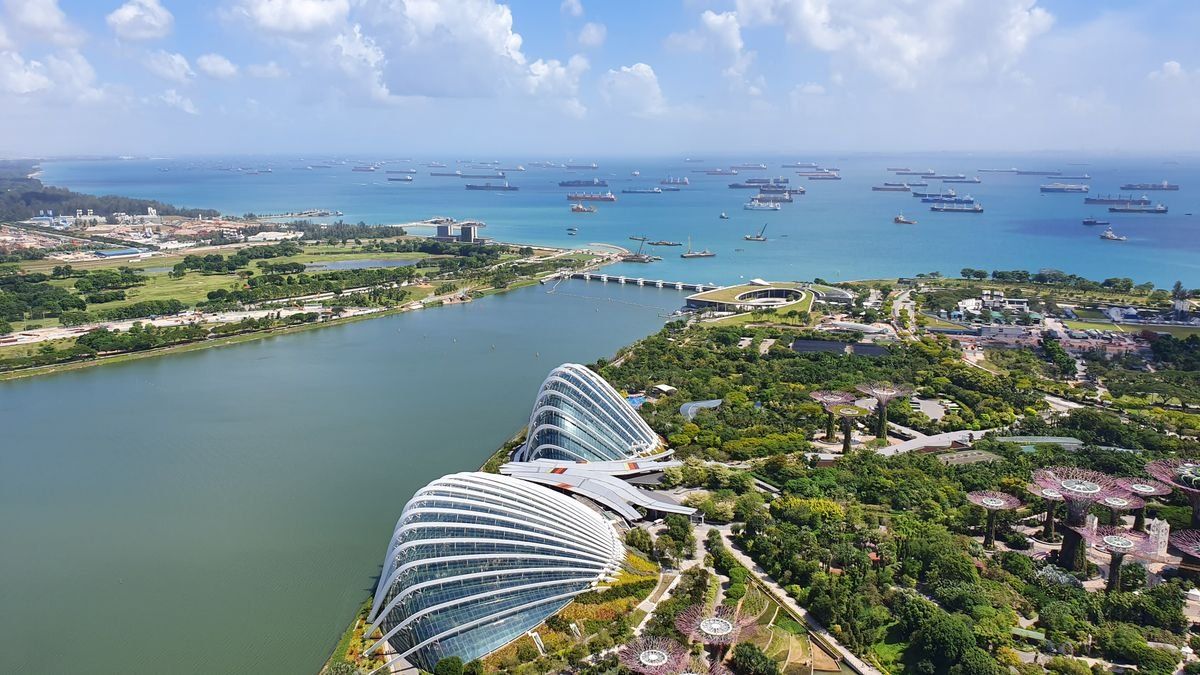
The highlights are the Cloud Forest and the Flower Dome, two climate-controlled spaces that feel like stepping into alternate planets with very good gardeners. The Cloud Forest impresses with its indoor waterfall and elevated walkways, while the Flower Dome showcases plant species from Mediterranean and semi-arid regions.
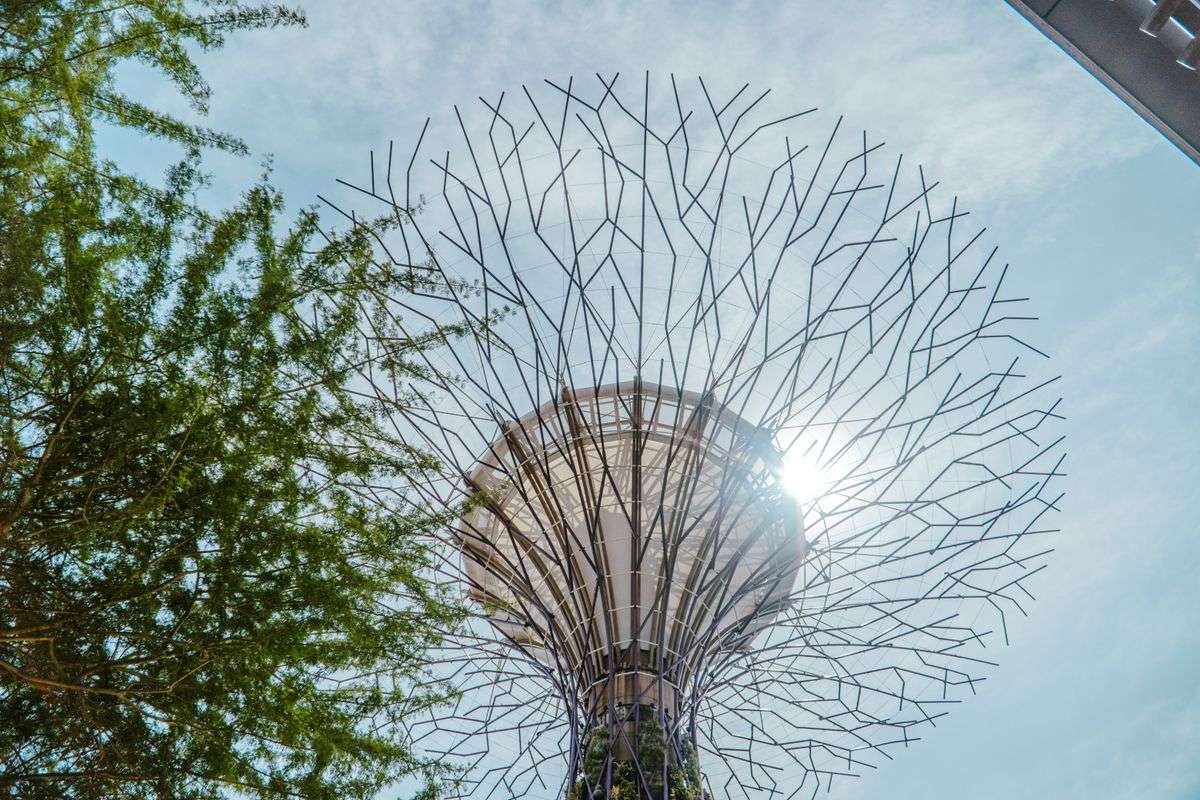
Outside, walk beneath the Supertrees and take your time in the free-access areas. If you want elevated views, the garden walkways and observatories offer great perspectives over Marina Bay and the skyline. It’s the kind of place that makes you wonder whether urban planners in other cities are just not trying hard enough.
Continue to Marina Bay Sands and the waterfront
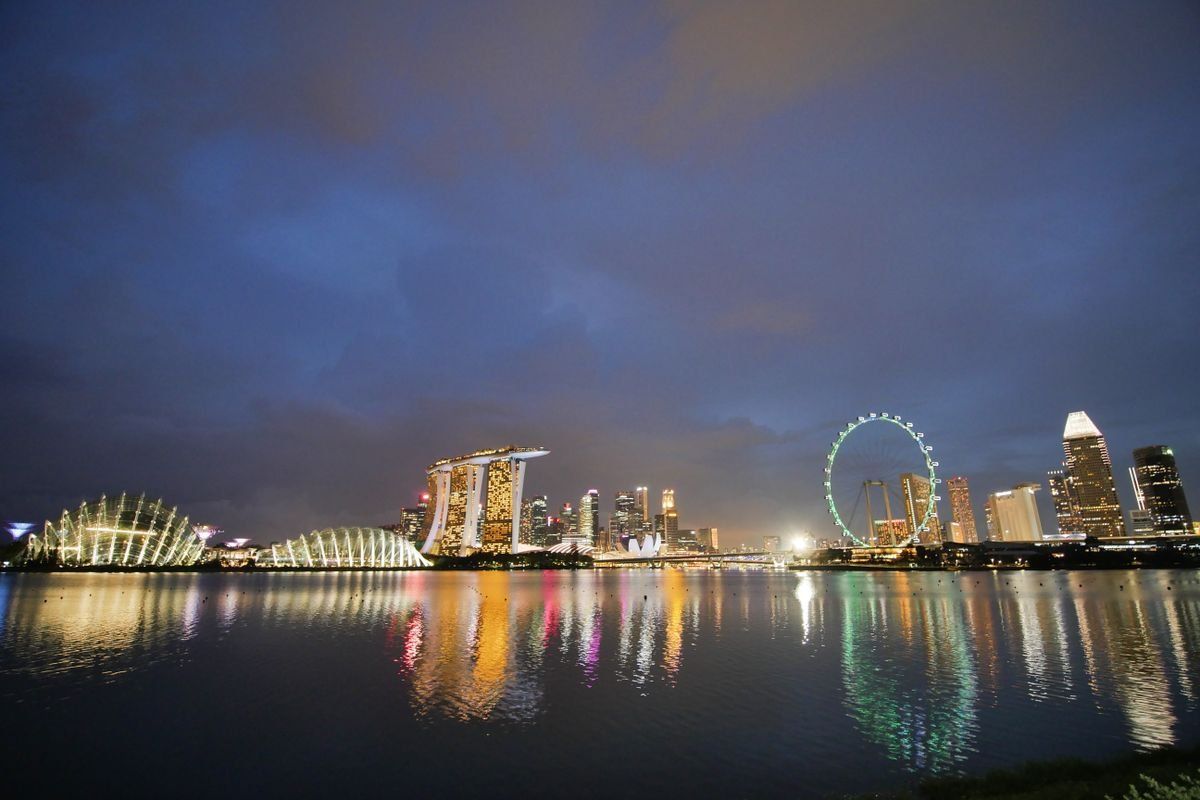
After the gardens, continue toward Marina Bay Sands and the surrounding promenade. This part of the city is ideal for a scenic stroll and provides excellent views of the bay, the skyline, and landmarks such as the ArtScience Museum and the Helix Bridge.
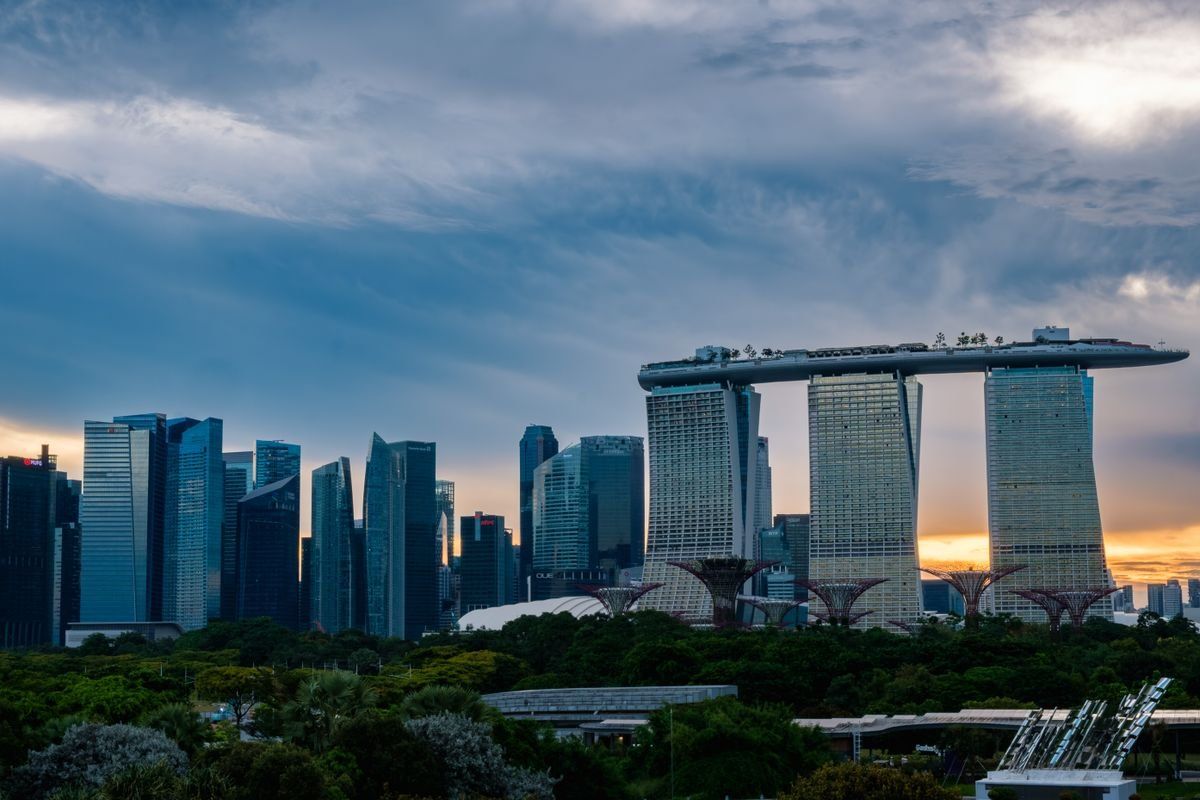
If your budget allows, head to the observation deck or a rooftop bar for a panoramic view. Sunset is the best time to go, when the light softens and the city starts switching into evening mode. Singapore after dark is polished, dramatic, and suspiciously photogenic from almost every angle.
Stay for the evening lights
The Marina Bay area becomes even more appealing after sunset. Staying here in the evening allows you to experience the city’s illuminated skyline and one of its most popular night-time spectacles. It is an easy way to end your first day without additional travel time.
Watch the light and water show at Marina Bay Sands, then enjoy the bayfront atmosphere. If you still have energy, return to the gardens for the illuminated Supertree area. It’s a polished, high-tech finale to a day that basically says, “Welcome to Singapore, please adjust your expectations upward.”
Day 2: Heritage districts and cultural landmarks
Your second day should focus on the neighbourhoods that reveal Singapore’s multicultural identity. These districts are easy to explore on foot and offer a mix of religious sites, street art, traditional shophouses, and local food. This is where the city feels more layered and personal.
Morning in Chinatown
Chinatown combines historic architecture with temples, markets, and food centres. It is one of the best areas to understand the city’s Chinese heritage while also experiencing one of its most visited neighbourhoods. Early morning is quieter and better for walking.
Visit the Buddha Tooth Relic Temple, explore the surrounding streets, and look out for murals and restored shophouses. If you want another meaningful stop nearby, consider Thian Hock Keng Temple, one of Singapore’s oldest Chinese temples. Between temples and street corners, the area constantly shifts from sacred to snackable.
Fort Canning for history and green space
Fort Canning Park offers a central green escape with strong historical significance. It is a useful stop between neighbourhood visits and works well for travellers who want more than photo spots. The site connects Singapore’s pre-colonial, colonial, and wartime past in one walkable area.
Stroll through the park’s pathways, gardens, and heritage points, and if you’re interested in history, pair it with the nearby National Museum of Singapore. The famous tree tunnel is here too, though be prepared to share it with plenty of phones, tripods, and people suddenly becoming part-time directors.
Afternoon and evening in Kampong Glam
Kampong Glam presents a different side of Singapore through Malay and Muslim heritage, independent shops, and creative street culture. It is compact, atmospheric, and ideal for a slower afternoon. The area also has good dining options for the evening.
See the golden-domed Sultan Mosque, then wander along Arab Street, Bussorah Street, and Haji Lane. You’ll find textile shops, murals, boutiques, and cafés packed into a small area. Come back after dark if possible: the neighbourhood changes mood nicely, trading daytime charm for evening buzz without becoming overwhelming.
Day 3: Gardens, Little India, and hawker culture
The third day is best used for a mix of greenery, local life, and food experiences. This combination rounds out the trip and introduces parts of Singapore that feel less futuristic but just as essential. It also allows a more relaxed pace before departure.
Walk through the Singapore Botanic Gardens
The Singapore Botanic Gardens provide a broad, peaceful contrast to Marina Bay’s engineered spectacle. As a UNESCO World Heritage Site, they are both historically important and genuinely enjoyable to explore. Entry to the main grounds is free, making them one of the city’s best-value attractions.
Allow at least two hours for the gardens, and more if you want to include the National Orchid Garden. The scale is generous, the pathways are well maintained, and the setting feels remarkably calm for a major city. It’s a reminder that Singapore takes its greenery very seriously, almost competitively.
Explore Little India
Little India is one of the city’s most vibrant districts and offers a strong sensory contrast to the rest of the itinerary. Its temples, markets, colours, and food reflect Singapore’s Indian heritage and make it a rewarding stop for both cultural interest and casual wandering.
Visit the Sri Veeramakaliamman Temple, browse local shops, and walk through the busy streets around Tekka Centre. This is one of the best parts of the city for bold flavours and an everyday atmosphere that feels lively rather than staged. In short: arrive curious, leave hungry, probably carrying snacks.
End with a hawker centre dinner
A meal at a hawker centre is an essential part of any Singapore itinerary. These food halls represent the city’s culinary diversity and offer high-quality dishes at accessible prices. They are ideal for a final dinner because they combine atmosphere, variety, and local identity in one place.
Good options include Maxwell Food Centre, Lau Pa Sat, and Chinatown Complex Food Centre. Order a few dishes to share if you can, such as chicken rice, satay, char kway teow, or roti prata. Some stalls have even earned Michelin recognition, which is a lovely way of saying your plastic tray may hold something excellent.
Practical tips for getting around Singapore
Getting around Singapore is simple thanks to an extensive and reliable public transport network. The MRT is the most efficient option for most travellers, and buses fill in the gaps well. Taxis and ride-hailing apps are useful, but often unnecessary for central itineraries.
- Use the MRT for major attractions and neighbourhoods.
- Wear light clothing, as the heat and humidity can be intense year-round.
- Carry a reusable water bottle and take regular indoor breaks.
- Book major attractions in advance when possible.
- Plan outdoor sightseeing early in the morning or near sunset.
The WeRoad tip
See Singapore after dark, one metro stop at a time
One of the smartest ways to experience Singapore is to let the city unfold gradually through its MRT network. Start in the late afternoon at Gardens by the Bay, where you can walk beneath the Supertrees, then head into the cooled worlds of the Cloud Forest and Flower Dome. As daylight softens, make time for the elevated walkways for a sweeping look at the skyline: it’s one of those views that quietly justifies the whole trip.
When the city lights come on, shift toward Marina Bay Sands for the light and water show, then do what locals and in-the-know travellers do best: go eat. A hawker centre dinner is the perfect finale, especially if you pick a stall serving Michelin-recognized street food at everyday prices. The beauty of Singapore is that all of this can happen in a single, smooth evening without logistical drama. Just tap in, ride a few stops, and let the city do the rest. It’s efficient, delicious, and dangerously good at making you think you could live here.
A short trip that feels full
Three days in Singapore can feel surprisingly complete when you mix headline attractions with neighbourhood walks and local food. You get futuristic landmarks, heritage areas, tropical gardens, and some of the best casual dining in Asia, all in a city that’s easy to navigate and hard not to enjoy.
If you’d like to experience Singapore with an easy-going group and a well-planned itinerary, take a look at the WeRoad group trips for this destination and start plotting your next adventure.
FAQ
- What are the top five attractions to include in a Singapore itinerary?
-
The most popular picks for a short trip are Gardens by the Bay, Marina Bay Sands, Chinatown, Kampong Glam, and the Singapore Botanic Gardens. Together, they cover the city’s modern icons, cultural districts, and green spaces.
- Is 3 days in Singapore too long?
-
No, three days is a very good amount of time for a first visit. It allows you to see the main highlights, explore a few neighbourhoods properly, and enjoy the food scene without turning the trip into a rushed checklist.
- What is the best way to get around Singapore as a tourist?
-
The MRT is usually the best option. It is clean, fast, affordable, and connects most major attractions. Buses are also efficient, while taxis and ride-hailing apps are useful for late evenings or more specific routes.
- Which hawker centres are best for visitors?
-
Maxwell Food Centre, Lau Pa Sat, and Chinatown Complex Food Centre are all great choices. They are central, easy to reach, and offer a wide variety of classic local dishes at affordable prices.
- Are Gardens by the Bay worth visiting if I only have a short time?
-
Yes, absolutely. Even on a short trip, Gardens by the Bay is one of the most rewarding places to visit. The outdoor areas are impressive, and the conservatories add a distinctive experience that feels uniquely Singaporean.